Most of what research turns up is ordinary. A step doubled back on, a form asking for something already given. Ordinary is what people leave over.
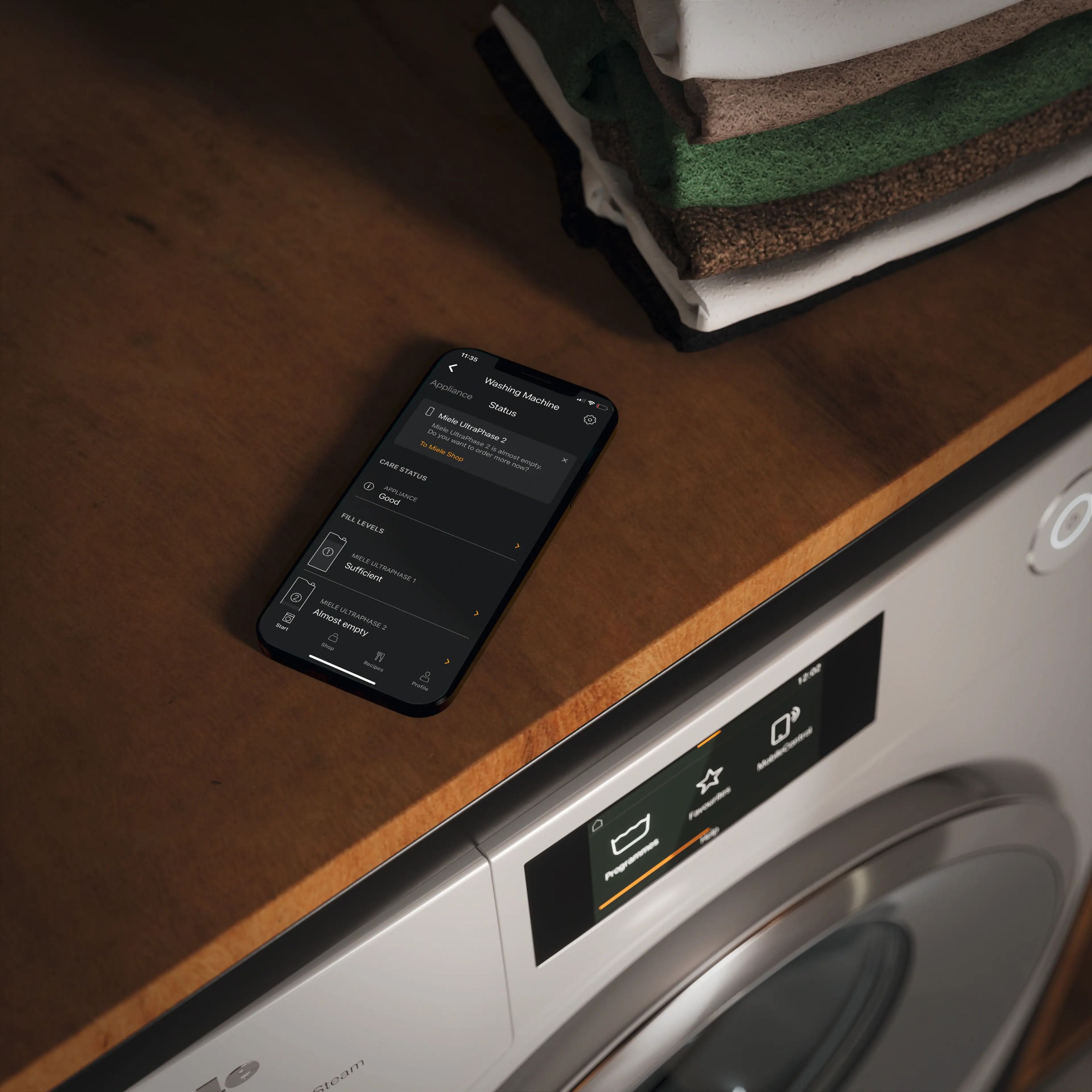
The work starts before anything is drawn - interviews, analytics, and an honest look at where a journey breaks. At Miele that means asking how owners already use the app, and where a subscription would genuinely fit into that. A subscription is a relationship rather than a single order, so somebody lost at the point of committing is not one missed sale. Then testing, and testing again. The findings are usually ordinary: hesitation, a step doubled back on, a form asking for something already known. Ordinary is what gets fixed.
In practice that means fewer opinions in the room and more evidence on the wall. Short loops, with the people who own the outcome in them, so a decision gets made once and stays made when the project gets busy.
Four steps, run in short loops rather than one long waterfall.
- 01
Listen
Stakeholder interviews, support tickets and sales calls. Before touching a single screen I want to know what the business is measured on and where customers currently give up.
- 02
Look
Analytics, funnels, heatmaps and session recordings. Numbers show where journeys leak; recordings show why. Together they set the priority list, not personal taste.
- 03
Map
Flows, journey maps and information architecture. Every step gets a purpose, a piece of content and a next action, so nothing lives in the interface without a reason.
- 04
Validate
Prototypes in front of real users within days. I test the risky assumptions first, then hand over a documented, tested flow that development can build without guessing.
Research is only useful when it changes what gets built. Findings become flows, wireframes and decisions a team can act on, rather than a document that gets filed and quoted once.
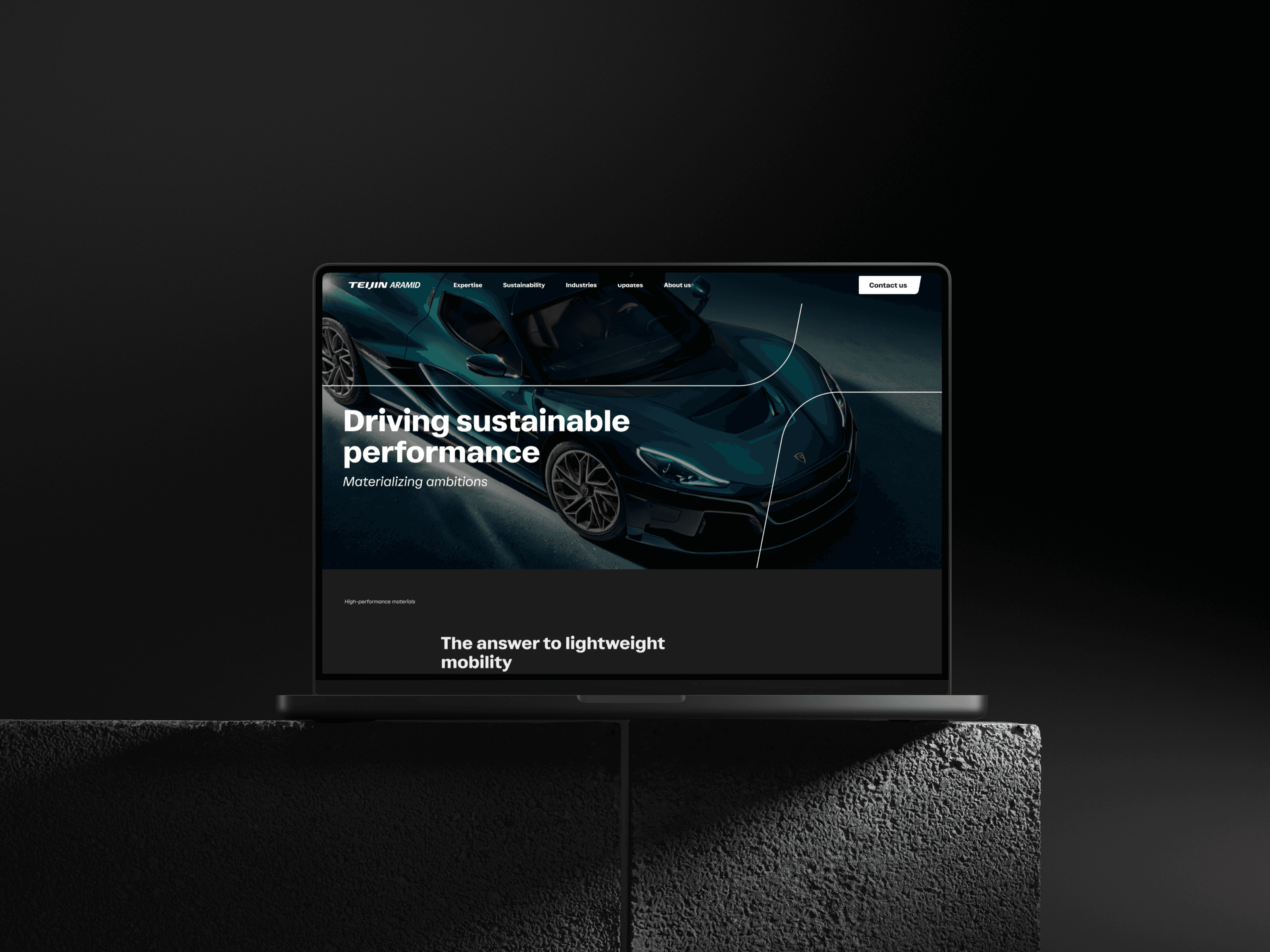
Recent work: the subscription flow in the Miele app, the path to checkout at My Jewellery, and the architecture underneath the Teijin Aramid rebuild.

Not every project needs all of it. These are the parts.
Every project starts with evidence. I interview users and stakeholders, dig through analytics and watch real sessions to find where journeys break, and where the opportunity hides. Findings are prioritised by impact rather than by who asked loudest, and written down in a form the whole team can act on. Nothing goes into the backlog without a reason behind it that survives being questioned.
I map the full path from first touch to loyal customer, blueprinting every step, emotion and system behind it so teams see the same picture and fix the right moments. Journey maps expose the gaps between what marketing promises, what the interface delivers and what support has to repair afterwards. That overlap is usually where the fastest wins are hiding.
Navigation, taxonomy and search that match how people think. Card sorts and tree tests replace guesswork with a structure people can follow on a first visit. On a large catalogue this is the work that pays for itself twice over: get the labels and the hierarchy right and product discovery, search and SEO all improve at once.
Prototypes and live features tested with real users: moderated deep-dives and A/B experiments that turn opinion battles into settled decisions. I test the risky assumptions first, five to eight participants per round, with the team watching. Everybody leaves with the same understanding of what happened, which makes the follow-up decisions quick.